Failure of Ima-GenAI-tion

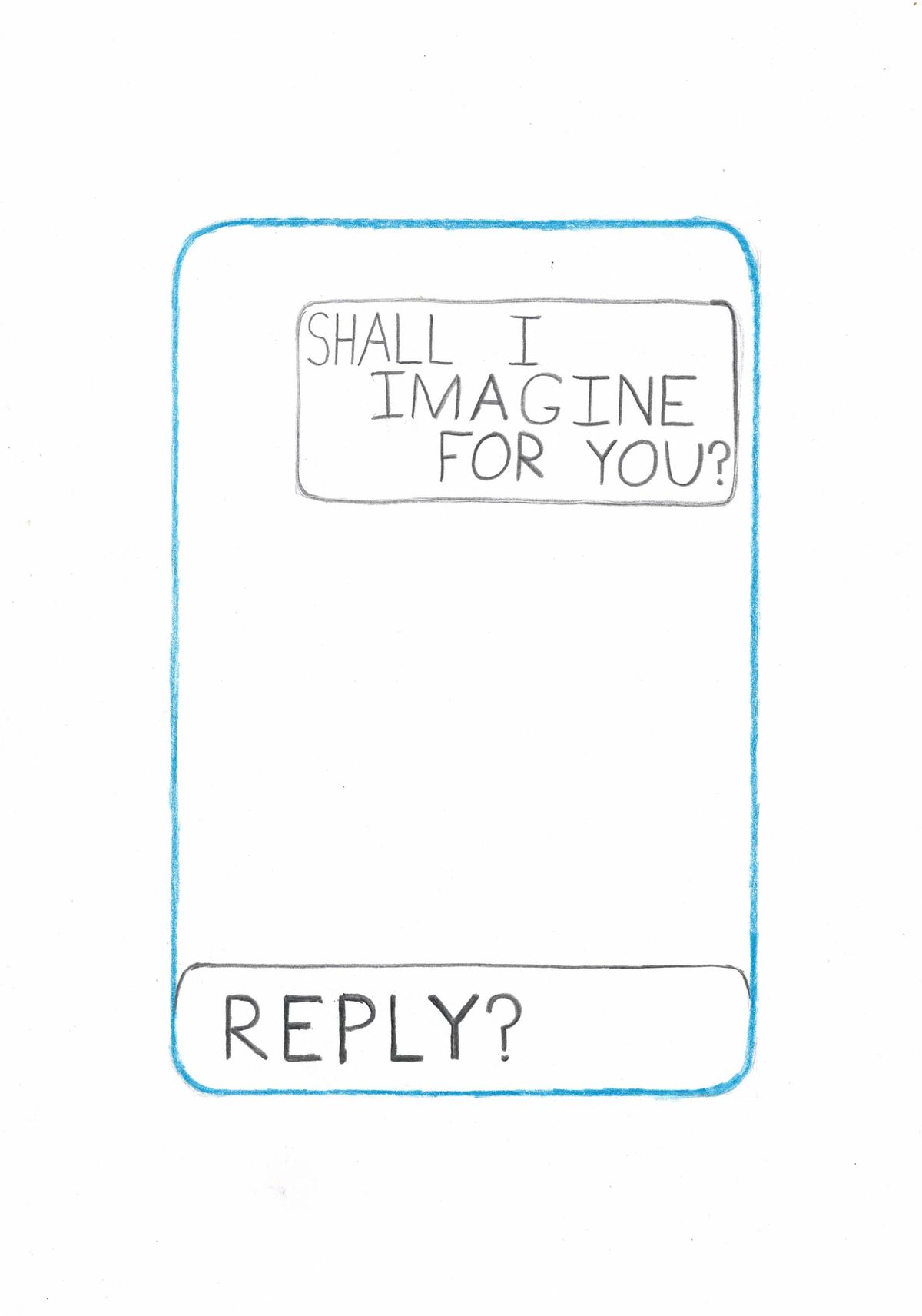
Anyone who knows me knows I am not a fan of generative AI (genAI). I am regularly reading about and discussing the ways it and the infrastructure required to run it is harming our environment and people. Last year, I smashed out a 4000-word, evidence-based rant about all of this in the span of two days. I am no stranger to the topic.
And yet.
Recently, in a workshop, I was confronted with something I had not thought about before: A complete failure of imagination.
Brain Drain
The effect of genAI on people's ability to think has been well-studied, and will continue to be so well into the future. It takes away your critical thinking, problem-solving skills, and ability to just... do things. People are significantly less likely to remember anything they "wrote" using genAI, as without the effort that goes into creating something, it doesn’t stick in your mind in the same way. It may as well have been written by someone else (in fact, it was).
Other ways of using machines do this, too. The advent of map apps, for example, has collectively destroyed our ability to get around our cities on our own. I have begun avoiding using map apps when I go places, or at least, to not continually refer to it. I'll do it when I have to be somewhere in a timely manner or I haven't been there before; otherwise, I'll get a route once, see what it recommends so I know where the traffic is, and then close it. I'd like to eventually get to the point where I can check traffic conditions and then know the best route to get to my destination, but that's a while off yet.
You gain knowledge from actually driving you can’t get from an app. Sure, it can tell me to turn left onto the freeway, but it won’t inform me I need to stay out of the right-hand lane until I pass the first major road so I don’t get trapped in a queue.
In the aforementioned workshop, I was confronted with something else, something which feels deeper: The impact genAI can have on people's imaginations.
The Workshop
Everyone was split into 10 groups and tasked with coming up with one way their jobs would be different in a decade's time. Having been asked to come at the last minute, I wasn't across the detail of how the organisation worked, so I simply observed.
Every single group -- which comprised people who work a myriad of different jobs -- had genAI (which they referred to as just "AI") worked into their answer in some form. Some said their jobs or others wouldn't exist, with sly glances at admin teams.
I had a couple of issues with this.
The first is that this illustrated a fundamental misunderstanding of the technology. Its role is to sound human-like.
That's it.
It is not coded for accuracy. There is no way it would be able to do many (or any) of the things people in this workshop purported it would, let alone to do them well.
My bigger concern, though, was the lack of... anything else.
There were so many different types of people, who undertake all kinds of different jobs. They came from all walks of life, had pasts that have differed in enormous ways.
And every single one had bought into the fantasy surrounding genAI, to the exclusion of anything else. They were happy to keep wasting time getting caught in the right-hand lane, rather than use this time with their colleagues to workshop a variety of their own innovative ideas.
How is it that several dozen capable people could not think of anything that did not involve genAI?
What about repurposing other technologies in new or interesting ways? Looking at trends in other fields, and thinking about how it could be worked into their role? Engaging with communities? Working from feedback? Talking through issues they've faced at work and getting fresh eyes on it? Literally anything else?
No; everyone reached for the genAI magic wand.
Before this, I had never thought about genAI from this angle. About how the mere presence of the magic wand illusion means people will simply wave it, and ignore everything else on the table.
This is, I think, an extension of the issues linked to cognitive decline. The presence of snake oil genAI, sold as a way to solve all ills, has now led to large swathes of people believing this is true. To not even looking for alternate ways of doing things.
They are taking the path of least resistance, as fed to them by their chatbot of choice. They no longer trust themselves, despite the wealth of experience, other people, and even other tools they have at their fingertips.
I'm not entirely sure where this leads. But I don't think it's anywhere good.
I tried to look into studies on the impact of genAI on people's imaginations, but couldn't find any. I'd love to read any you're aware of, so please, send them through!